A surgically implanted device can also help gradual imaginative and prescient loss because of macular telangiectasia type 2 (MacTel), a rare degenerative eye disorder with no permitted remedies, in line with consequences from two segment III clinical trials posted in NEJM proof.
MacTel is an orphan retinal disorder that progressively destroys relevant vision, making normal sports like analyzing and driving increasingly hard. The rigors tested ENCELTO, a U.S. FDA-accredited implant designed to supply continuous neuroprotection to the retina.
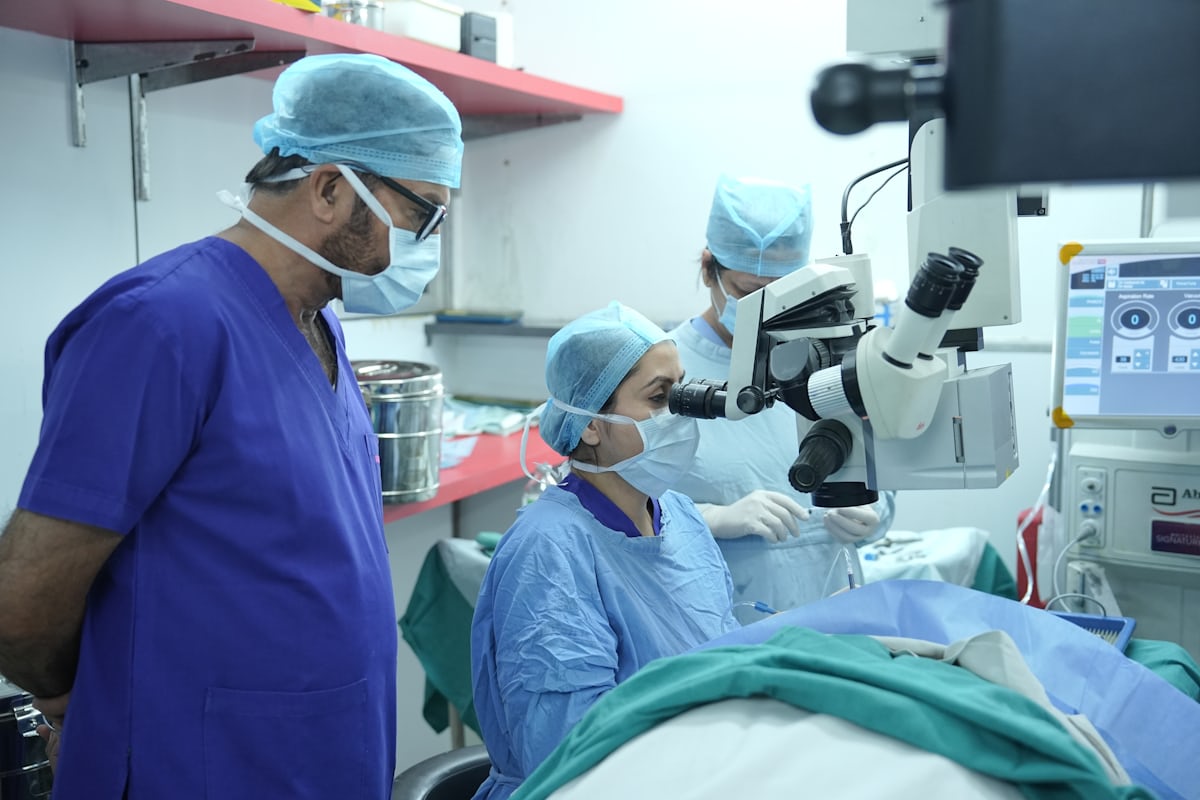
The tool works via freeing ciliary neurotrophic aspect (CNTF), a naturally going on protein recognized to guard retinal neurons. It carries genetically modified retinal pigment epithelial cells, housed inside a tiny collagen-based tablet implanted within the back of the attention. The tablet design shields the cells from immune attack even as permitting long-term, centered delivery of CNTF.
Across 47 worldwide sites, 228 members have been accompanied for twenty-four months. consequences showed that ENCELTO considerably slowed the loss of photoreceptors, mild-touchy cells crucial for vital imaginative and prescient, as compared with eyes that underwent a sham process.
In one trial, the implant decreased the price of ellipsoid area loss (a key marker of photoreceptor degeneration) by way of 54%. The second one trial saw a 30.6% discount, also statistically vast.
“This is the primary time we’ve seen a remedy meaningfully regulate the route of MacTel,” stated Professor Martin Friedlander of Scripps research, who co-led the look at. “It confirms that neuroprotection may be a powerful strategy to preserve imaginative and prescient degenerative retinal situations.
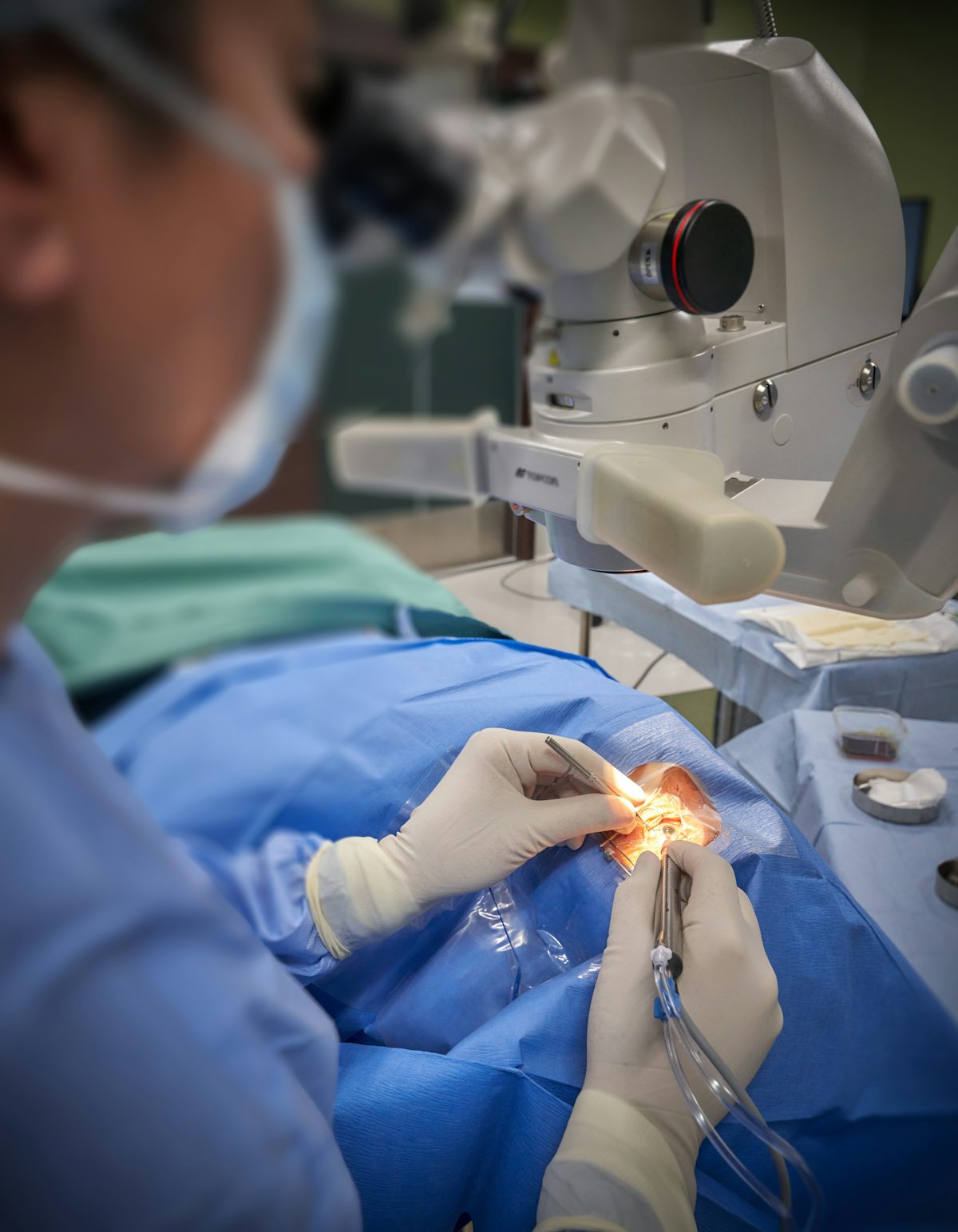
”Researchers agree that the approach may be implemented to other retinal sicknesses, moving treatment cognizance from changing misplaced cells to shielding those nonetheless intact. For MacTel patients, the findings mark a capacity turning factor within the combat against a circumstance that, until now, provided no medical desire.
Sources https://med.stanford.edu/ophthalmology/news-and-media/annual-reports/annualreport2024/bionic-eye.html#:~:text=First%2C%20the%20glasses%20capture%20a,sends%20information%20to%20the%20brain.
https://theshillongtimes.com/2025/08/12/surgical-implant-can-slow-down-vision-loss-caused-by-blinding-eye-disease/


 using WordPress and
Comments are closed